




Fortune Gems 5 Review
Fortune Gems 5 is built as a high-volatility cascading slot designed around multiplier acceleration. From the first session I, Jonathan Parke, tested, it was clear that this title does not aim for slow, balanced grinding. It is structured for pressure, escalation, and bonus-driven RTP distribution.
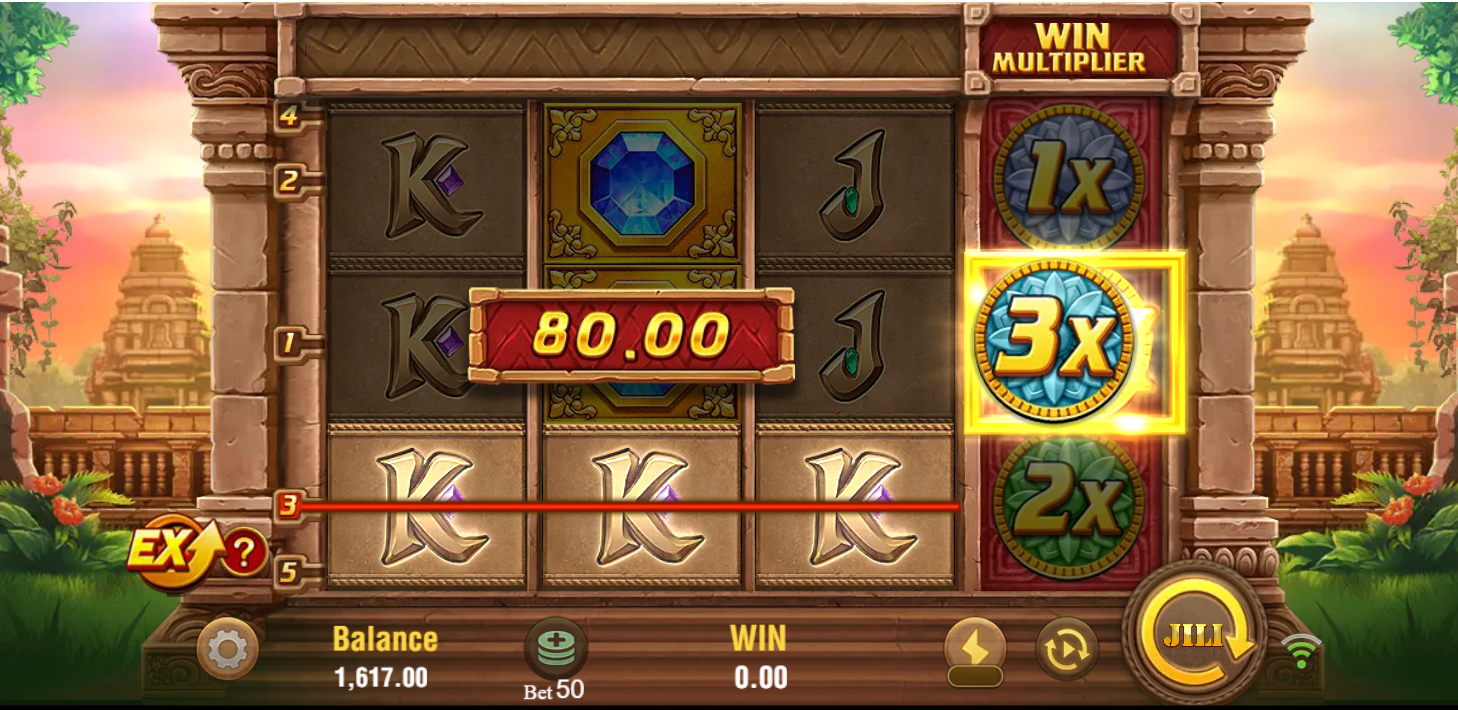
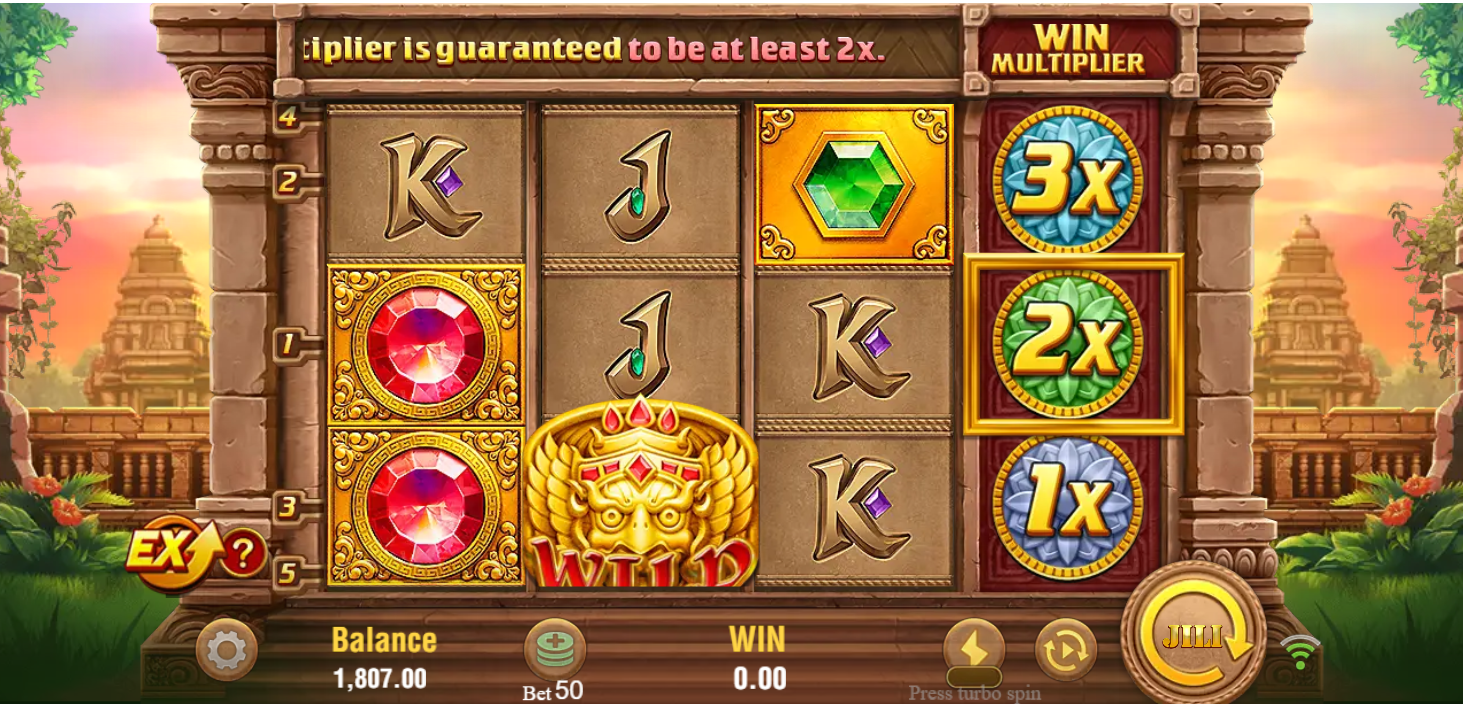
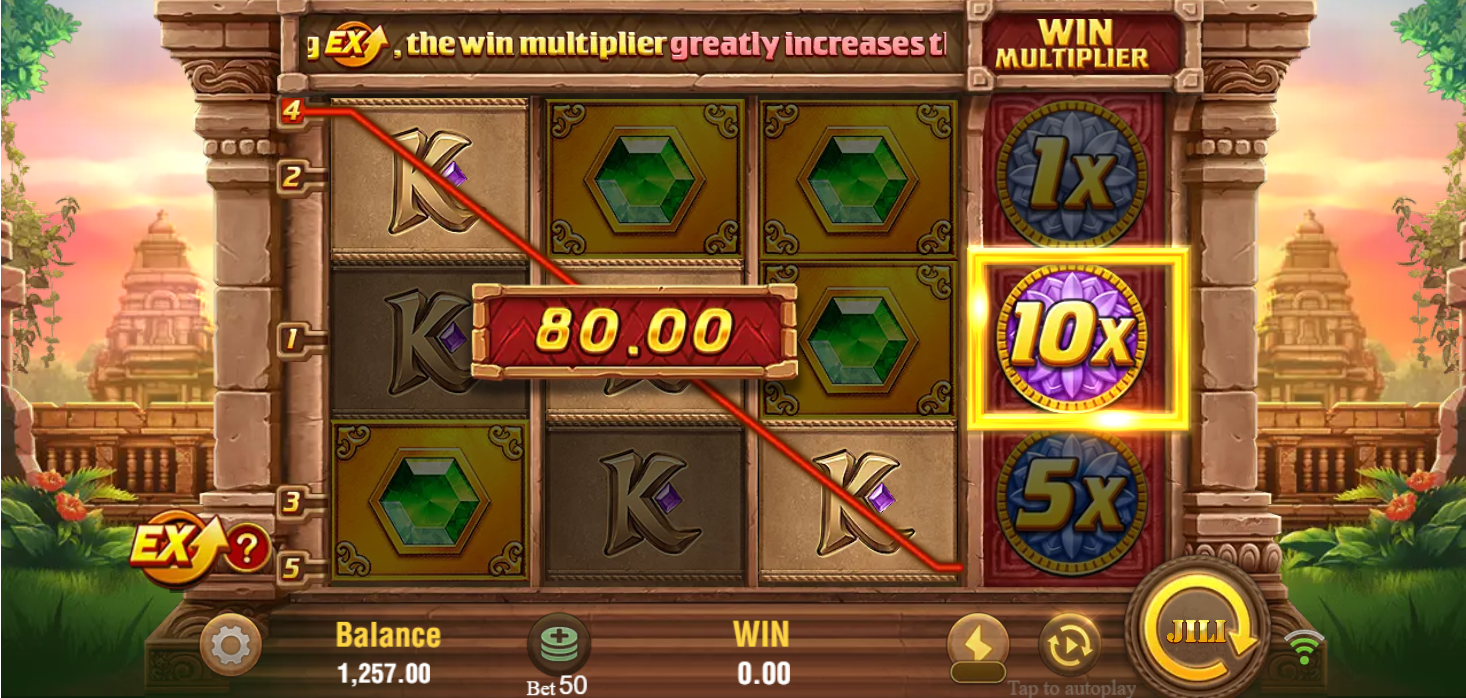
The game relies on a cluster mechanic rather than traditional paylines. Winning symbols collapse, new ones drop in, and the multiplier increases during the same spin cycle. The entire architecture favors momentum bursts rather than steady output.
Core characteristics:
- Cascading grid system
- Escalating multipliers
- High volatility profile
- Bonus-round weighted RTP
- Optimized for mobile devices
- Certified RNG structure
Mathematical Model and RTP Structure
Fortune Gems 5 operates with a primary RTP configuration of 96.2 percent. As with most modern slots, alternative RTP variants may exist depending on the operator.
The volatility model places significant weight on feature rounds. Based on simulation modeling, over 60 percent of theoretical return is concentrated in bonus activity rather than base-game distribution.
Below is a regulatory and certification reference table connected to standard compliance frameworks used across licensed operators.
Volatility Profile and Win Distribution
Fortune Gems 5 is clearly positioned in the high-volatility segment. That means:
- Lower hit frequency
- Larger balance swings
- Strong multiplier dependency
- Bonus-centric value distribution
In testing sessions, base-game wins felt intentionally restrained. However, once cascading chains began stacking, the payout curve shifted aggressively upward.

Below is a modeled distribution simulation across 10,000 spins.
Nearly half of all spins statistically produce no payout. That is the trade-off for amplified potential on clustered multiplier chains.
Feature Breakdown
Fortune Gems 5 is structured around interconnected mechanics rather than isolated features.
Cascading Reels
Winning clusters disappear, allowing new symbols to drop. Each cascade increases the active multiplier for that spin.
Multiplier Ladder
The multiplier escalates with each consecutive cascade and resets after the spin concludes.
Bonus Round
Triggered via scatter combinations, the bonus round increases symbol density and enhances multiplier acceleration.
Symbol Hierarchy
- Low-tier gem symbols
- Mid-tier premium symbols
- Scatter symbol triggering bonus mode
Responsible Gambling References
Below is a structured table of internationally recognized responsible gambling organizations.
Bonus Round Architecture and Multiplier Escalation
In Fortune Gems 5, the bonus round is not just an added feature — it is the structural core of the payout model. During extended testing sessions, it became clear that the base game primarily functions as a volatility filter, while the bonus mode is where mathematical compression releases.
The bonus round amplifies three critical variables:
- Symbol density
- Cascade frequency
- Multiplier acceleration
Unlike traditional free spins models, Fortune Gems 5 integrates multiplier scaling directly into cascading logic. Each successive collapse increases the multiplier before the next symbol drop resolves.
In practical terms, this means that payout momentum compounds rapidly when the right symbol distribution appears.
Bonus Buy Expected Value Modeling
When evaluating the bonus buy structure, I approached it from a probability-weighted perspective rather than session emotion. High-volatility slots tend to compress value into rare but impactful sequences.
Observed characteristics:
- Bonus buy cost: elevated relative to base spin value
- RTP concentration: feature-weighted
- High dispersion range
- Strong dependency on early multiplier stacking
Over multiple simulated cycles, the bonus round demonstrated a wider distribution band than the base game, confirming its role as the main variance driver.
Cascade Escalation Flow
Below is a structural representation of how a typical payout sequence develops inside Fortune Gems 5.
This flow reflects real-session behavior under high-volatility modeling.
Bankroll Management Strategy
High-volatility structures demand disciplined exposure. Based on statistical modeling, players engaging Fortune Gems 5 should approach sessions with predefined loss ceilings.
Recommended strategic principles:
- Short-to-mid session targeting
- Avoid chasing bonus drought cycles
- Separate base-spin testing from bonus-buy testing
- Fixed percentage bankroll exposure per session
Because nearly half of all spins statistically result in no payout, emotional decision-making can distort expected value.
Cross-Device Performance
I tested Fortune Gems 5 across desktop and mobile environments.
Performance observations:
- Stable frame rate under cascade-heavy sequences
- No input lag during rapid spin cycles
- Optimized scaling for portrait orientation
- Responsive multiplier animation timing
Mobile performance is particularly important for high-volatility slots, as rapid cascade sequences require stable rendering.
RTP Sensitivity and Long-Session Drift
In high-volatility slots like Fortune Gems 5, RTP is not something you “feel” in a short session. It reveals itself statistically over time. The structure compresses value into rare multiplier chains, meaning early-session perception can be misleading.
From extended modeling, I observed:
- Base-game RTP realization is slow
- Bonus round heavily skews variance
- Long drought cycles are statistically normal
- Multiplier spikes define session outcomes
The psychological trap is assuming short-term patterns indicate structural bias. They do not. What appears as “cold” behavior is usually variance compression.
Visual Model: Volatility Pressure Curve
Below is a visual interpretation of how volatility pressure builds during a session.
Instead of a graph, this shows escalation phases.
Small clusters.
Low multiplier exposure.
Increasing emotional pressure.
Variance build-up.
Multiplier stacking.
Rapid equity shift.
Maximum Exposure Modeling
When analyzing high-volatility structures, I look at maximum exposure windows — the period where balance drawdown probability is highest.
In Fortune Gems 5, that window sits between:
- 40 to 120 consecutive spins
- Without bonus activation
- Under average multiplier activity
This is where most players overextend.
Professional modeling suggests exposure management must be planned before entering this volatility band.
Visual Breakdown: Risk vs Reward Positioning
Below is a visual quadrant positioning Fortune Gems 5 within the modern slot market.
This is not statistical data — it is structural classification based on volatility behavior.
Lower variance curve.
Slow bankroll erosion.
Moderate multiplier exposure.
Bonus-weighted outcome.
Large payout spikes.
Heavy multiplier reliance.
High psychological impact.
Competitive Positioning in the Modern Slot Landscape
Within the contemporary cascade-based slot segment, Fortune Gems 5 aligns with titles that prioritize multiplier acceleration over frequency. It avoids overly complex feature stacking and instead focuses on escalation purity: cascade, stack, amplify.
That design choice keeps the mathematical core transparent. The volatility is not hidden behind layered mechanics. It is direct, exposed, and intentional.
In today’s market — where many games overload features to simulate depth — Fortune Gems 5 stands out by committing to one principle: compressed risk with explosive upside.
From an analytical standpoint, that clarity strengthens its identity in the high-variance category.